Blogs
Training advice, inspirations, and motivations all found here.
#19: Transforming Fear into Curiosity - Smart Strategies for Horse Training
In high-stress situations, like a police pursuit, some officers have later reported having no memory of firing their own weapon… they sometimes simply don’t remember hearing it! This is because a massive adrenaline surge narrows their focus purely to survival, effectively tuning out the rest of the world.
Our horses experience this same physiological hijack when they become worried. When the survival brain takes over, horses aren’t being stubborn or difficult; they’re physically incapable of relaxation. Even though that jacket on the fence may not seem like rational fear to us humans, to horses it’s a very real threat.
In an effort to give horses “coping skills” many riders/trainers utilize desensitization. It’s a common misconception that repeated exposure to a worrisome stimulus will automatically help the horse to become less afraid. Desensitization has become the common fix for everything from a spooky tarp to trailer-loading issues.
While we all want a calm and reliable partner, what we often call desensitization can often end up SENSITIZING the horse. Instead of teaching the horse to be relaxed, we might be accidentally wire him to be more reactive and tense. By pushing too hard, we do the opposite of what we intended.
When a horse encounters a perceived threat, sensory information enters the thalamus and immediately splits into two simultaneous paths. The fastest track leads to the amygdala, an alarm system that triggers a survival response before the horse can even process what he is seeing.
The second, slower path reaches the prefrontal cortex where logical analysis and true learning occur. If the amygdala's alarm is too intense, it hijacks the brain and makes rational thought impossible. In this state, fear is not a behavioral choice but a physical reality. Read that again!
Forcing horses to face a stimulus while their brains are in survival mode does not teach them that they are safe; instead, it reinforces and hard-wires their fear response(more reactivity). By prioritizing their emotional threshold and keeping the alarm system quiet, we allow the logical path to stay open for successful communication (more settled).
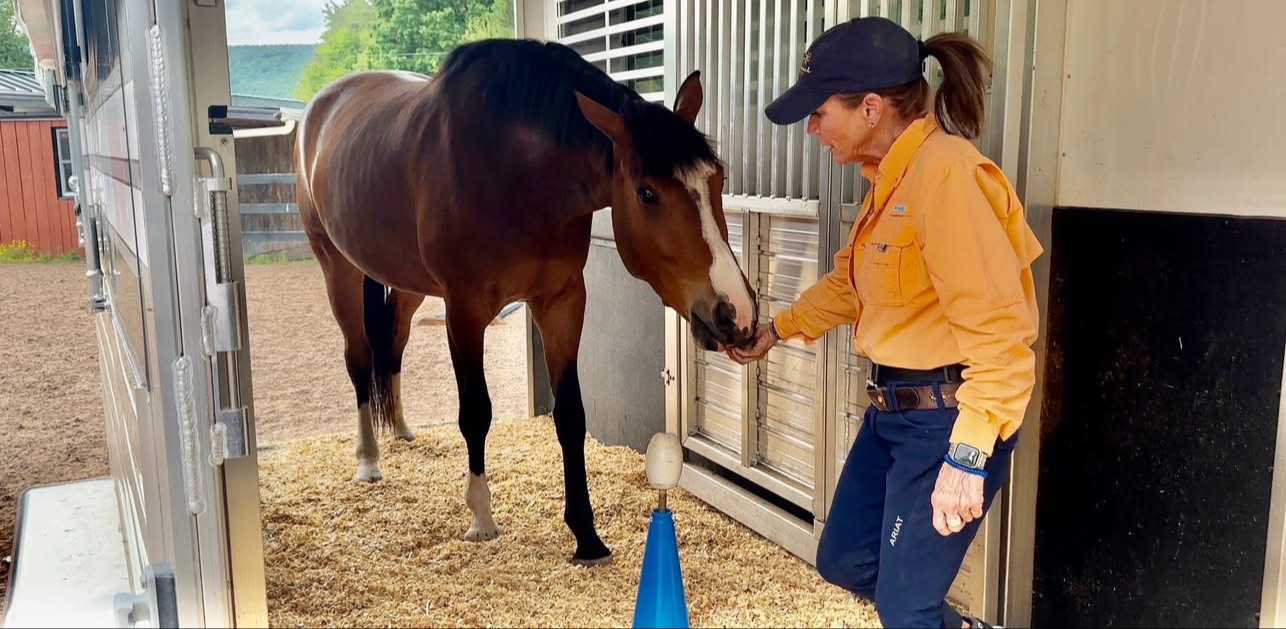
When horses are consistently, and thoughtfully, encouraged to problem solve, they’re essentially performing a mental workout that strengthens the neural pathways in his prefrontal cortex. In this process, the density and efficiency of the connections within that logical center get stronger. This process is known as neuroplasticity, which is the brain's ability to reorganize itself by forming new neural connections.
Every time we use the seeking system (as we do with positive reinforcement training), horses are practicing bypassing the impulsive fight-or-flight response of the amygdala.
In this process, horses are literally hard-wiring a habit of curiosity. Think of it like a trail through a dense forest; the first time a horse tries to problem solve, the path is overgrown and difficult to navigate. As he practices more frequently, that path becomes a clear, well-beaten road that is much easier for his brain to travel.
Over time, this makes the prefrontal cortex more dominant in the decision-making process. Instead of his default setting being a thoughtless flight response, the instinct begins to shift toward asking what he can do to solve the puzzle in front of him.
This development is why horses trained with these methods often appear more intelligent or engaged than those trained through traditional pressure and release. When we rely on pressure, we are often working within the reactive parts of the brain, teaching the horse how to escape and avoid rather than how to find the answer through his seeking system.
Problem-solving tasks require a level of cognitive processing that strengthens the executive function of the brain. This creates a horse that is not only calmer but also more capable of handling complex tasks and unexpected changes in the environment because he has learned to stay focused— even when things become challenging.
As these neural pathways are more established, horses gain a sense of agency. They begin to understand that their actions have predictable outcomes, which reduces overall stress and makes the prefrontal cortex even more resilient. By asking horses to problem solve, we are literally changing the way they perceive and interact with the world.
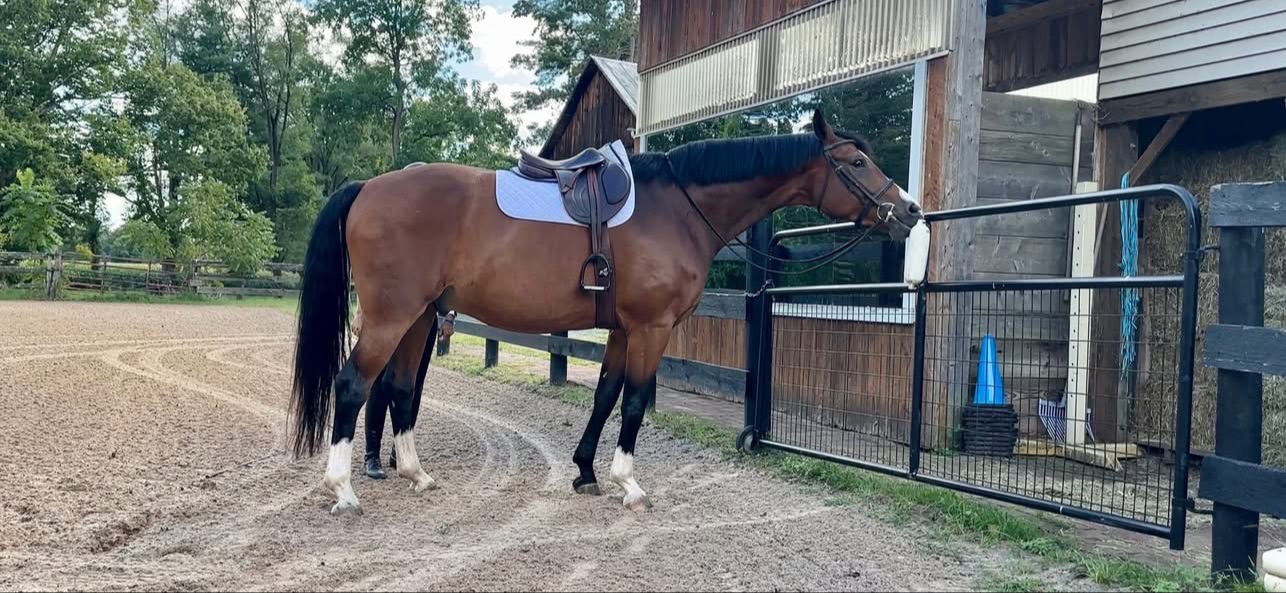
Think of horse training like an iceberg. Above the water, you have behavior—the movements we see and try to control. This is where most training focuses because it is easy to see. But under the water is the emotional state, which is what actually drives those behaviors.
A horse’s ability to focus and get his head in the game depends entirely on how he feels. If we ignore the bottom of the iceberg, the top eventually becomes unstable. This is also why we sometimes have to use stronger bits or bigger spurs; when we teach a horse to tune out our whispers, our cues must be loud to the horse.
The solution is to work with our horses’ nervous systems rather than against it. Systematic desensitization means introducing a scary object at such a low level that they can stay calm and relaxed. Counter-conditioning takes it a step further. It changes the horse’s emotions from fear to interest. By pairing a worrisome object with a powerful reinforcer (i.e. food), we help them shift from a stressful place and into a settled state where they’re much more capable of learning.
Confidence is created through daily practice of the proven science.