Blogs
Training advice, inspirations, and motivations all found here.
#18: How Weaning Trauma can Affect Future Confidence in Horses
Previously we talked about separation anxiety and what is going on in the horse's brain when they experience the trauma that it induces. Today, we look at a place where the separation anxiety is often stemming from. Since horses are herd animals, it is asking a lot of trust for them to be separated from their herd mates. This may seem obvious, but in fact, many people rely on old school scream-it-out methods of weaning both in foal hood and adulthood. Abrupt weaning often has profound and lasting psychological consequences for a developing foal. What is often not recognized are the lasting effects on the brain when this happens.
When mare and foal are suddenly separated with no further contact, it can shatter the primary social bond the foal relies on for security. From a neurological perspective, this sudden loss triggers a massive surge of stress hormones like cortisol and adrenaline. Because the foal lacks the emotional maturity and previous experience to process this loss, the brain marks the event as a significant trauma rather than a routine life change. Beyond the immediate neurological shock, abrupt weaning can lead to a state of chronic physiological stress known as allostatic load (as we had said in the previous post). A foal that undergoes this trauma may remain in a state of high-alert for weeks or even months, preventing his nervous system from returning to a relaxed, parasympathetic state. Foals who are perceived to "get over it" are in actuality succumbing to learned helplessness. That is where they eventually give up... but this does not mean that all is well with them. It is a form of shut down and begins the process of their first experiences of distrust in humans.
This long-term elevation in stress levels can interfere with healthy physical development and immune function. More importantly, it creates a permanent association between social separation and a feeling of life-threatening vulnerability, which is most often the root cause of chronic separation anxiety in adult horses. The impact on the developing brain is particularly centered in the amygdala and the hippocampus. When a foal is abruptly removed from his mother, the amygdala becomes hyper-sensitized to any future signs of isolation. This may set the foal up for a lifelong baseline for high anxiety whenever he is asked to stand alone or leave a companion. Furthermore, the hippocampus, which should help the horse learn that he is safe in new environments, can be impaired by the high levels of stress hormones present during the weaning process. This often results in a horse that cannot easily/effectively learn that separation is temporary or safe.
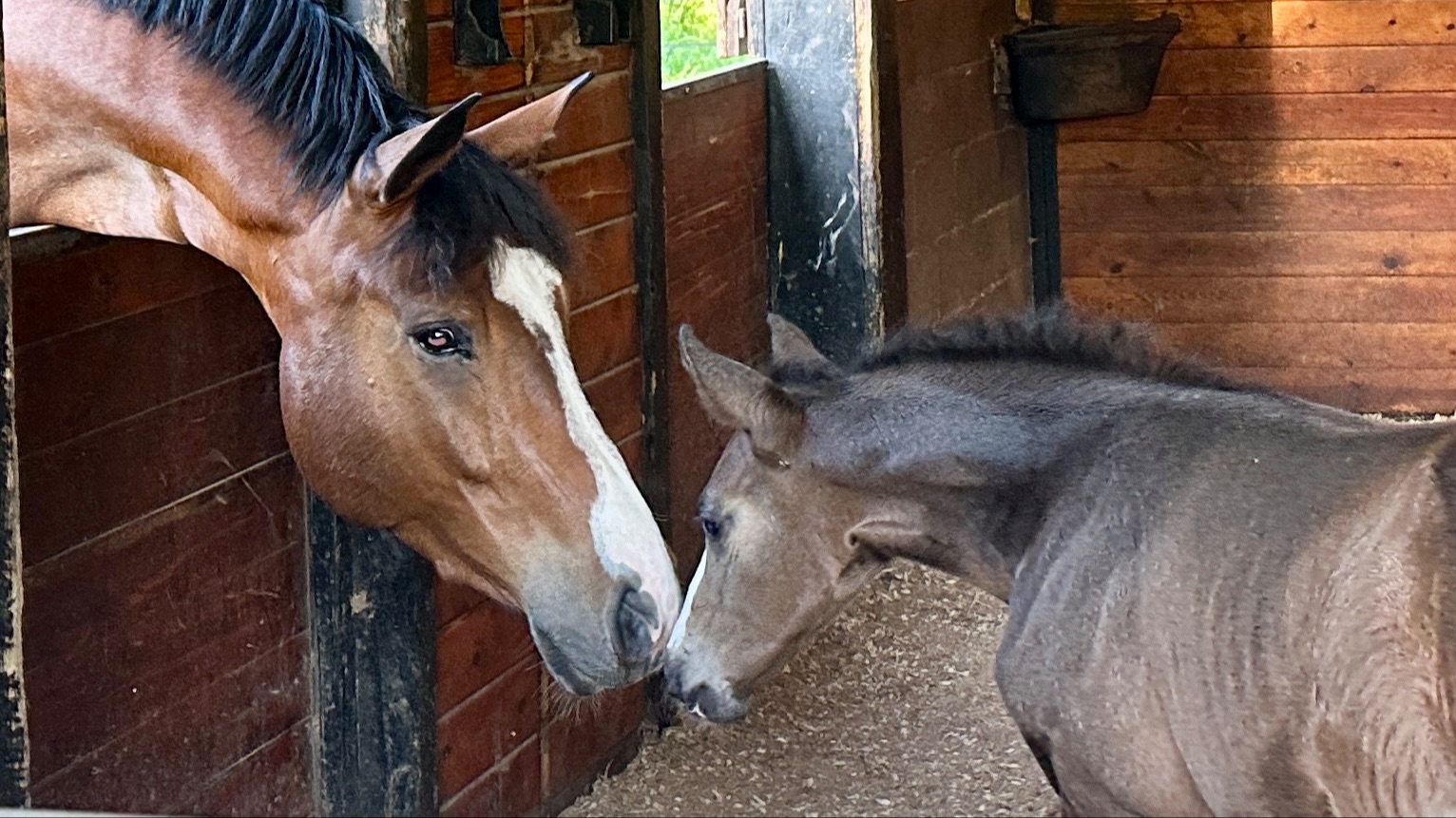
As the horse matures, this early trauma often manifests as hyper-attachment to other horses. Because the horse was never given a chance to develop independence through a gradual, safe weaning process, he views any social partner as his literal lifeline. When that partner is moved even a short distance away, the horse’s brain reverts to the original state of panic he felt as a foal. This isn't a behavior the horse chooses; it is an involuntary survival response triggered by a nervous system that was never taught how to regulate itself during social transitions. Preventing this lifelong struggle involves moving away from abrupt methods and adopting more gradual, choice-based weaning practices. By allowing the foal to slowly spend increasing amounts of time away from the mare while still being able to see and touch his dam is important. During this time, they should also remain in a familiar social group so that the brain learns to manage small amounts of stress without reaching a state of trauma.
This gradual approach allows the foal to develop self-regulation skills and maintains the integrity of his neurological development. A horse that is weaned with care is far more likely to grow into a confident, independent partner who can handle separation without emotional distress.
When considering the social structure for a newly weaned foal, it is essential to recognize that the educational process does not end at weaning; in many ways, the most critical phase of social development is just beginning. In a natural herd environment, the matriarchal nature of senior mares serve as the vital backbone of the community, providing a sophisticated level of teaching and emotional regulation that a group of peers simply cannot replicate. While many breeding farms place foals in age-segregated pastures after they leave their mothers, this often removes the indispensable "nanny" figure whose role is to instill discipline, model calm responses to the environment, and offer a sense of security during these formative years.
Just as we would never leave a group of human toddlers to raise one another without adult guidance, foals thrive best when they have consistent access to the wisdom and boundaries provided by experienced mares throughout their youth. By prioritizing a multi-generational social group long after the initial separation from the dam, we allow these matriarchs to continue mentoring the young horse as he matures. Of course this is not always possible, but the closest we can adhere to these ideals, the better for the foal. This ongoing guidance ensures he develops the social intelligence, patience, and confidence necessary for a successful and relaxed future.
Thankfully, even if a foal has experienced traumatic weaning, it is possible to help him feel safe and change his triggered responses to being separated. By using positive reinforcement and specific exercises (crafted for each individual and situation), we can rewire those old survival instincts and build new, calm habits. It is important to remember that every horse is an individual with a unique history. Because trauma affects the brain differently in every case, some horses will take longer than others to process these changes and to feel truly secure. Patience and consistency are key.
As we understand the science, we also need to be able to apply this to real world situations in a thoughtful and systematic way. This is where we can help.