Blogs
Training advice, inspirations, and motivations all found here.
#25: The Missing Piece - Building Emotional Resilience Through Enrichment
We do a lot to take care of our horses physically, from the best hay and high-end supplements to regular bodywork and meticulous farrier work. We invest heavily in their structural health. Historically, we have paid close attention to their physical well-being, yet we have often overlooked their emotional well-being. Times are changing, and people are starting to consider this ever-so-important aspect.
Ideally, we want to stimulate the emotional component of their care equation as well. A horse that is physically sound but mentally stagnant can’t be fully healthy. When we focus on emotional wellness, we aren't just making them happier; we are building a brain that is more resilient, creative, and focused. Emotional health also has a big impact on physical health. Emotions, neurobiology, and physical health are all intertwined and cannot be pulled apart.
Environmental enrichment is often misunderstood as simply tossing a toy into the paddock. In reality, it is a tool to provoke the seeking system—the part of the brain that drives curiosity and problem-solving. When a horse is encouraged to interact with his environment, his brain releases dopamine, which acts as a natural antidote to stress and anxiety.
By utilizing enrichment to spark creativity, we move the horse out of a reactive state and into an active, thinking state. This shift is what makes horses bold and confident; a horse who knows how to solve a puzzle in the pasture is far more likely to stay mentally settled when he encounters a puzzle out on the trail or at a show.
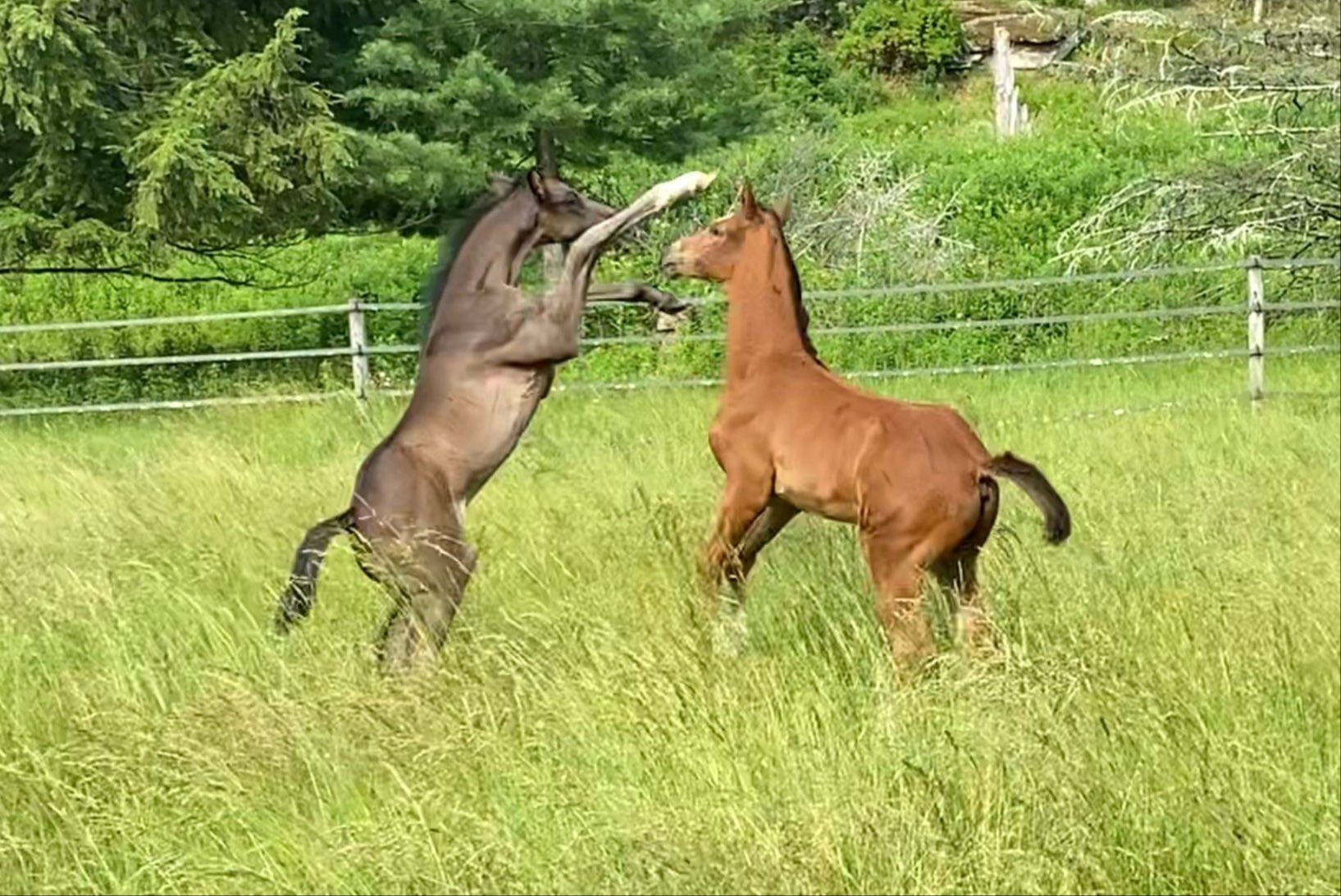
It is a common belief that horses need a strict, unchanging routine to feel safe. However, if your horse relies on a rigid routine for his emotional security, you actually have an insecure horse. Real security doesn't come from the world staying the same; it comes from the horse having the internal tools to handle when the world changes.
The key is to add these in small increments that he can handle. When a horse is routine-bound, any small deviation—a late feeding, a different trailer, or a new object—can trigger anxiety. To change this, we must slowly introduce variety and choice through enrichment, teaching the horse that something new or different can lead to fun rather than danger.
If you are looking for thought-provoking ideas to get started, think beyond the jolly ball. Consider a scent trail by rubbing safe herbs or essential oils on fence posts to encourage the horse to use his nose to track a path. You can create interesting feeding stations by hiding hay or treats at various heights and locations, forcing the horse to move and think like a grazer again.
Even simple changes, like introducing a few browsing branches from horse-safe trees (like willow, mulberry, or apple), allows them to express natural behaviors that are often missing in a standard paddock. There are countless ways to create a more dynamic environment for our horses.
The goal is to create a horse that looks at the world and asks, "What can I do with this?" rather than, "Should I run away from this?" By stimulating the emotional brain through intentional enrichment, you are giving your horse the gift of mental agency.
We love combining the science of the seeking system with the art of creating a more confident partner. We love watching these partnerships blossom.
What other enrichment ideas have you come up with that are extra fun and clever?