Blogs
Training advice, inspirations, and motivations all found here.
#30: The Neuroscience of Trust - How Positive Reinforcement Heals the Traumatized Equine Brain
Do you know of a horse you can’t seem to trust due to their traumatic training history? We have the chance to change this as we are constantly shaping our horse's deep sense of safety about their world. Let’s talk about the science.
We use positive reinforcement because it has the ability to rewire and heal the brain in ways we long considered impossible. For decades, conventional thinking held that once a brain became trapped in deep-seated trauma, hyper-vigilance, or chronic panic, those emotional and behavioral patterns could not be changed.
Modern neuroscience is now dismantling these myths. The brain is remarkably neuroplastic—it physically restructures its pathways based on the emotional and physiological signals it receives. Each interaction helps it to stabilize and improve, or we can damage it further if we’re not careful.
The foundation for understanding how this healing happens comes from the groundbreaking work of neuroscientist Jaak Panksepp, who is often considered the father of affective neuroscience. Panksepp mapped the core emotional systems buried deep within the mammalian brain—systems shared across humans, dogs, and horses alike. He proved that animals are driven by specific emotional circuits, most notably the fear system and the seeking system.
When an animal is subjected to pressure, coercion, or threat, the fear system fires, flooding the brain with stress hormones like cortisol and adrenaline. This keeps the nervous system trapped in a defensive survival loop where sustainable learning struggles to occur.
Positive reinforcement accomplishes something interesting: done correctly, it can begin to disengage the patterns that fear caused and instead arouses the seeking system. This area houses the brain's innate drive to explore, anticipate, and engage with the world. This is the first step to rewiring old and harmful pathways.
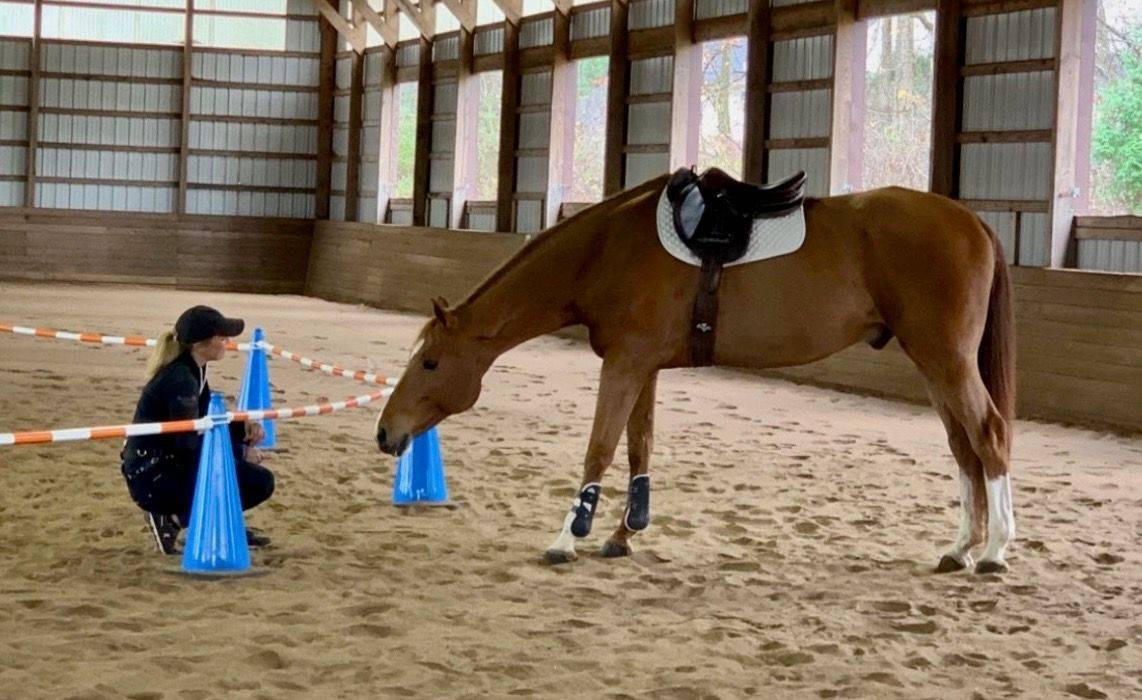
Why does it work? Panksepp’s research demonstrated that activating the seeking system triggers a surge of dopamine in the brain. Many people worry about too much dopamine and that’s a valid concern! This is why in our work, we strategically return to the parasympathetic (the rest/digest state) to balance the brain.
Brains need all chemicals to fulfill various roles. Even cortisol (though often demonized) is needed for important processes. For dopamine, its release is not just about feeling good; it is the engine room of neuroplasticity and we can utilize it for remarkable healing and emotional recovery.
Dopamine marks a moment as safe, meaningful, and vital to remember. It triggers the release of neural growth factors that physically build new synaptic connections while allowing old, trauma-based pathways to wither away. Read that again… this is how healing of the horse’s emotional state can happen.
Often it is thought that if we simply turn a horse out and leave them alone for a year after they’ve had trauma, that their brains can heal. This may be true to an extent but giving space and time doesn’t necessarily heal the brain the way we wish it would.
Offering space for relationship, dwell time, and peaceful interactions can be beneficial as an adjunct to positive reinforcement, but in our experience, they cannot be relied upon for true and lasting healing of the horse’s emotional state. For most horses, it can be achieved far more quickly and with long lasting/more deeply rooted results when positive reinforcement techniques are properly applied.
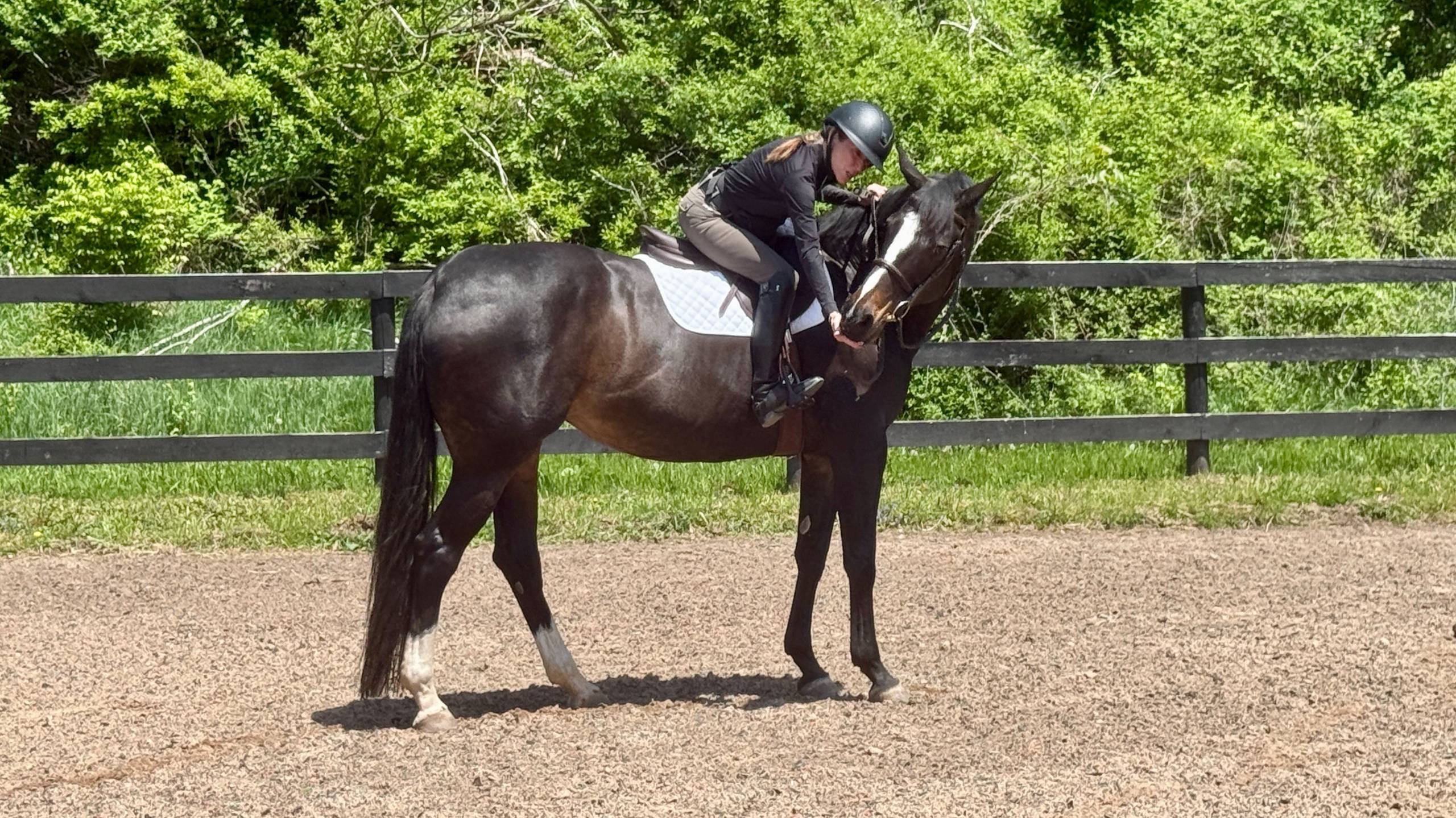
How does it work? Panksepp showed us that when an animal is engaging his seeking system, curiosity actively suppresses fear. At the neurobiological level, the seeking system and the fear systems work in tandem—they cannot fire at maximum capacity at the same time.
When the fear system dominates, the amygdala hijacks the brain, keeping the animal in an anxious state of threat-detection and self-preservation. Think about the time you were in the midst of something terrifying. This was likely not your best state for decision making or mental growth and this is the same for horses.
Even at the lowest levels of correctly applied pressure and release training, we most likely cannot optimize learning because as the science says, when we are teaching them to escape and avoid pressure, it doesn’t put them in the most optimal state for learning.
But when you offer positive reinforcement for learning, the brain shifts into seeking mode, activating the ventral striatum and prefrontal networks. This surge of exploratory drive and dopamine release physically overrides the amygdala's threat signaling, down-regulating fear and calming the sympathetic nervous system.
Curiosity helps the brain to escape its defensive self-protection and opens up the neural pathways necessary for emotional safety, active learning, and long-term healing.
< Previous Next >